We lobby for the review, development and enactment of laws, policies, programme of action, and by-laws that promote human rights. We conduct civic education and promote children participation in matters of development that concern them.
Uncategorised
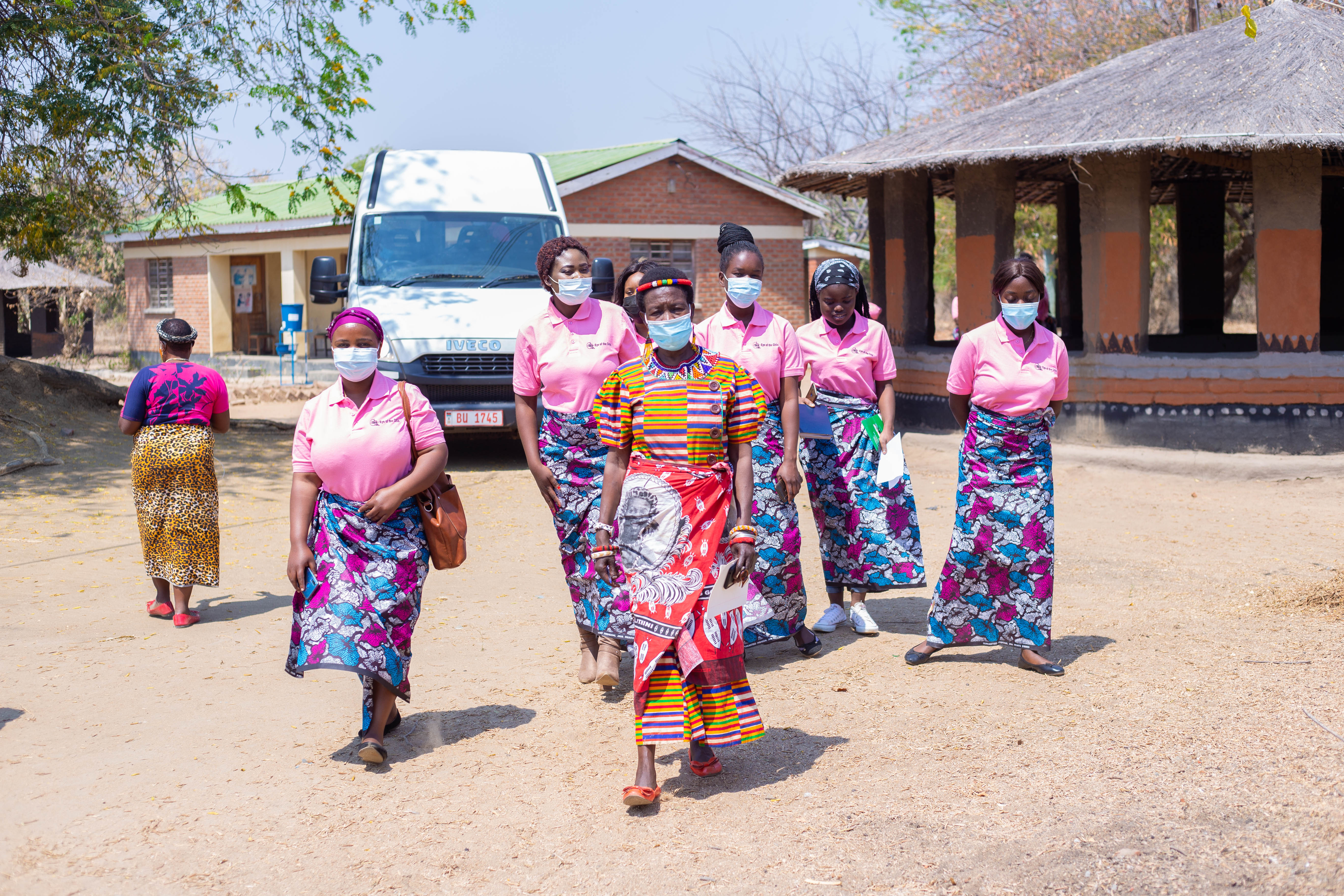
The department has been very active in working with the Police Victim Support Units in Blantyre and Lilongwe and the Child Justice Courts and the Case Review Board than any other year since the establishment of the Organization. It is the year when the organization received orders from the Case Review Board to provide Case Management, assessments and Counselling services to 764 children in conflict with the law and those in prison. We have reach out to 273 victims of domestic and commercial child labor; and 118 girls rescued from arranged and forced Prostitution in Blantyre and Lilongwe. We have also rescued and removed 233 children from harmful orphanages and rescued 63 children from arranged and forced child marriages. We provided counselling and protection services to 49 victims of defilement.
Street connected children spend most of their time in the streets vending (especially older children) and begging (especially younger children). Very few of them attend school. The street becomes the provider of socialisation and social identity. Most of the boys are engaged in vending and other work, while girls spend most of the time just begging and are more prone to sexual abuse and exploitation.
Street connected children are at a greater risk of experiencing health problems. Most of the children eat unsafe food. The level of their personal hygiene is very low and they are prone to diseases like malaria, scabies, abdominal problems, upper respiratory track infections and other skin infections. In these conditions the nutritional status of most of the street connected children is very low. In some areas street connected children (both boys and girls) suffer sexual abuse. Those more at risk to such abuse are children working or begging near rest houses and those found in the streets at odd hours.
Street connected children suffer a number of violations of their rights. They do not enjoy the required parental care as they spend most of their time away from home. Further, street connected children do not enjoy the equal rights to education, good nutrition and health as other children growing up in better circumstances.
Child labour is a multifaceted problem with several interrelated causes. Studies conducted in the focus areas and elsewhere have found that poverty is one of the major causes of child labour. The worsening of the economic situation contribute to the increase in the number of children being put to work. The HIV/AIDS pandemic is also a major contributing factor to the increase of child labour. A large number of children are orphans with nobody to turn to and they have to enter the labour market to support themselves and their siblings. Others are subjected to hazardous labour in the estates by relatives who take up the guardianship role. Illiteracy and the lack of awareness on the part of parents is another major cause of child labour. Parents should be able to appreciate more their role as duty-bearers who should cater for children, and not expect their children to cater for them. They do not always see the benefit of sending children to school, against the immediate gain provided by sending children to work.
Children working in plantations are often subjected to irreversible damage to their physical, psychological and physiological development. The occupational health and safety experts consider agriculture to be among the most dangerous of occupations. Climate exposure, work that is too heavy for children and accidents such as cuts from sharpened tools are some of hazardous children are facing. Children are often involved in working with tools and machinery, handling and spraying of agrochemicals, caring for farm animals and herding cattle, crop picking and loading.
Eye of the Child observed through its situation analysis and consultations with stakeholders that the survival, proper development, and protection of children in commercial agriculture areas, are far from being guaranteed. In adequate access to basic resources like health and education and their subjection to economic exploitation bear testimony. These factors are complicated by structural problems that perpetuate the unequal distribution of resources, the discrimination and exclusion of children in need of protection and withdrawal from hazardous work in commercial agriculture areas.
Children in the target areas and elsewhere are subjected to hazardous and worst forms of child labour as they work in tobacco estates and family farms. The proportion of children working seems to be highest among tenant farmers in tobacco estates. The tenant farmers are recruited from villages and districts from afar before the beginning of the season on the basis that they have a family to bring to the estate. Thus children are generally not employed directly on the estates but they work as part of the tenant’s family. When a tenant is recruited at an estate s/he is required to achieve a production quota determined unilaterally by the owner of the estate. This quota cannot be achieved unless the entire family of the tenant participates.
Child labour is a multifaceted problem with several interrelated causes. Studies conducted in the focus areas and elsewhere have found that poverty is one of the major causes of child labour. The worsening of the economic situation in the country has contributed to the increase in the number of children being put to work. The HIV/AIDS pandemic is also a major contributing factor to the increase of child labour. A large number of children are orphans with nobody to turn to and they have to enter the labour market to support themselves and their siblings. Others are subjected to hazardous labour in the estates by relatives who take up the guardianship role. Illiteracy and the lack of awareness on the part of parents is another major cause of child labour in the focus areas. Parents should be able to appreciate more their role as duty-bearers who should cater for children, and not expect their children to cater for them. They do not always see the benefit of sending children to school, against the immediate gain provided by sending children to work.
Children working in plantations are often subjected to irreversible damage to their physical, psychological and physiological development. The occupational health and safety experts consider agriculture to be among the most dangerous of occupations. Climate exposure, work that is too heavy for children and accidents such as cuts from sharpened tools are some of hazardous children are facing. Children are often involved in working with tools and machinery, handling and spraying of agrochemicals, caring for farm animals and herding cattle, crop picking and loading.
The 2030 Sustainable Development Agenda embrace goals and target on trafficking in persons. These goal call for an end to trafficking and violence against children; as well as the need for measures against human trafficking and they strive for the elimination of all forms of violence against and exploitation of women and girls.
Malawi just like many other countries in the world is faced with a complex and dynamic phenomenon of trade in human beings (Trafficking in Persons) since it is a source, transit and destination country. Most Malawian trafficking victims are exploited within the country, with victims generally transported from the southern part of the country to the central and northern regions. Children are subjected to forced prostitution and others to forced labour in the agricultural sector. At the same time, some children are trafficked for labour from various regions, to tea and tobacco estates across the country. A 2008 Study by the ILO and IPEC established that there is a seasonal element to child trafficking, especially with regard to children trafficked to work in tobacco estates and girls exploited as commercial sex workers and in restaurants and bars, which tend to be busy particularly during the crop marketing season. Children are trafficked for sex tourism along the lakeshore, where they fall prey to travelling child sex offenders.
A 2004 investigative inquiry of the Malawi Human Rights Commission revealed that around August every year, estate owners and agents from Mozambique carry out recruitment campaigns and children as young as seven years of age are trafficked from around Dedza to Mozambique to work as domestic servants or farm labourers. No formalities are followed and due to the porous nature of the borders, they are trafficked to and from Malawi and Mozambique without problems.
As a transit country, traffickers use Malawi as their route – transferring their victims to other destinations and as a destination country, victims are trafficked from Asian and European countries to Malawi.
“According to the US Government (2016) et al quoted in the NPA TIP 2017 studies show that there are at least three broad trafficking scenarios in Malawi; victims trafficked from Asian and European countries to African countries including Malawi; trafficking of persons locally and trafficking of persons to other countries Malawi as a source or transit country. In Malawi, push and pull factors that drive the crime of trafficking in persons include ignorance, exposure to “outside world” and poverty while pull factors include demand for cheap labour and demand for commercial sexual exploitation (AU, 2006). In addition to poverty, unemployment was also identified as a factor that pushes people in Malawi into positions where they become vulnerable to being trafficked (SADC Secretariat, 2016). An International Labour Organisation/ International Programme on Elimination of Child Labour (ILO/IPEC, 2008) study reported that push factors that influence child trafficking in Malawi include poverty (25%) seen as the main contributing factors, lack of parental support (18.8%) and low wages for labour (15.6%). These drivers were also confirmed by a study commissioned by NCA in 2007 which found that the main causes of trafficking in women and children are both demand and supply related. Traffickers target women and children mostly from poor households. The poor victims look for opportunities to meet their basic needs and are, therefore, easier to entice. On demand side, traffickers are driven by lust for quick and easy money they can make from the crime of TIP (NCA, 2007). In terms of unemployment, 21% of Malawi’s total labour force is unemployed, with more unemployed females than males (26% females, 14% males). Youth unemployment in age 15-24 is 28% (NSO, 2013).
ILO/IPEC Child Labour Report 2008 p9. Malawi Law Commission, ‘Human Trafficking in Malawi: Research Paper’ (2005) p20. Also see International Organisation for Migration, Seduction Sale and Slavery: Trafficking in Women and Children for Sexual Exploitation in Southern Africa Pretoria: South Africa (2003) p65. Especially in places like Chipungu, Makhanga, Dambo la Ngondo Villa. Malawi Human Rights Commission, Report on the Investigative Inquiry into Cross Boarder Child Labour in Dedza District (2004) Unpublished.
“Sexual abuse is the actual or threatened physical intrusion of a sexual nature - including inappropriate touching - by force or under unequal or coercive conditions ”. Evidence of sexual abuse and violence against children in Malawi is focusing on cases of incest and abuses that are widely reported in families and communities. Children are sexually abused by members of their family or extended family, by family friends, neighbors' and caregivers.
Sexual violence in schools is also increasingly reported . Teachers use their privileged status while classmates use gender discrimination and peer pressure as a way to get sex in exchange for material benefits, examination favours and academic favours such as helping in difficult subjects. Rape and sexual harassment have been reportedly perpetrated and regarded as one of the reasons for girls’ low academic performance, erratic attendance and high drop-out rate.
Commercial sexual exploitation of children is defined as “children under 18 years, both male and female, engaging in sexual activity for money, profit or any other consideration due to coercion or influence by any adult, syndicate or group. Sexual exploitation is distinguished from sexual abuse by the fact that some financial or material profit/benefit is achieved by some party to that sexual activity”.
In an environment of increasing family poverty, limited educational opportunities, traditional cultural practices such as property dispossession and almost non-existent legislation, children are often expected to help and support the family financially. This is particularly true for girls, whose position within the families and within the communities is less valued by the Malawian society.
Lack of knowledge on what awaits working children and indifference on the children’s well-being compounded by dire poverty, lead the families to send their children directly into exploitative and hazardous labour and, ultimately, commercial sex.
Children’s sexual exploitation in Malawi takes the form of child prostitution in communities, larger cities and towns where tourism takes place as well as the rural areas of the country . Young girls are sexually exploited within communities for commodities such as food and clothing, especially in situation of economic instability. Child prostitution is evident in the main cities of Malawi and occurs outside nightclubs and hotels where sex exploiters are local men .
The number of children orphaned because of the HIV/AIDS pandemic face many problems long before the death of their parents or their guardians. Children have to live with a sick parent and watch the parent deteriorate and eventually die. These children often face loss of family and identity, increased malnutrition and reduced opportunities for education. Without adequate care or support many of these children become marginalised, exposed to child labour and sexual abuse and face increased risk of HIV infection.
An AIDS orphan is defined as an under-15 year of age whose mother or both parents died due to AIDS or HIV/AIDS related illnesses. Such orphans are in need of special care even more than those orphaned due to other causes. First, some of them may themselves be HIV positive. Secondly, those who may have a surviving parent are faced with a high probability of having to carry the burden of caring for him/her and subsequently loosing him/her for the same reason. According to UNAIDS, the number of children living with an HIV-positive parent may be even greater than the number of children already orphaned. Thirdly, AIDS orphans are also likely to be stigmatised by the community and the civil society.
Most of the orphans are cared for by extended families. However, with the increase of the number of orphans and the increase of adult mortality and the deteriorating economic situation, extended families are no longer able to cope. Increasingly the children are being cared for by their grandparents and in most cases the grandparents themselves are in need of care. Further, where the extended family finds it too burdensome to look after the orphans, they abandon them to fend for themselves. In this circumstances most of the children drop out of school to earn a living and are exposed to other forms of exploitation and abuse, augmenting the number of street connected children and child workers.
Problems faced by most orphans include lack of food, shelter, clothing and health services, poor guardianship, psychological burden, stigmatisation attached to HIV/AIDS, discrimination, exploitation (both economic/ sexual), and being used as cheap labour by either guardians or employers. Some are also forced into criminal activities.
Under these circumstances the rights of these children continue to be violated. The death of the parents robs the children of the right to parental care, which the extended family is also failing to offer. The right to protection is further reduced by the neglect and exploitation suffered later by the children. The lack of food, shelter, clothing and health care adversely affects the children’s right to survival. Dropping out of school and the lack of a nurturing environment violates the children’s right to development.
A study conducted by UNICEF in 1999 has estimated that 3% of the total Malawi population are persons with disabilities. About a third of them (31%), are children who are 15 years and below.
Eye of the Child situation analysis has shown that young people with disabilities in Malawi face social isolation and discrimination. A large number of children with disabilities do not attend school due to financial problems, objections from parents or simply because school facilities are too far or don’t cater for their needs. Those in school find problems with travelling to school, communication, and lack of attention and discrimination form the part of the teachers and fellow students.
Children with disabilities are often prohibited from meaningfully participating in their families’ and their communities’ lives. They often lack basic health care and they are at great risk of experiencing physical, psychological abuse and sexual exploitation.
Girls are often more vulnerable to different forms of gender-based violence, abuse, and exploitation. They continue to suffer from several forms of discrimination and inequality especially in rural areas. There are a number of traditional and cultural practices that negatively affect girls.
There is also low participation of the girl child in education and in public life in general. Factors that contribute to this position include low persistence in school, low achievement, low quality of education and sexual and other forms of abuse in the school. The lack of education perpetuates the lack of confidence and disempowers the girl child from being assertive and making independent choices. This also contributes to the low participation of girls in public life even in later years. A girl’s education is seldom considered important, and it’s sacrificed for early marriages.
Girls also suffer poorer health and nutritional status than boys. The problem is further compounded by poor reproductive health. Most girls become sexually active at an early age and thereby becoming prone to teenage pregnancy, abortion, and exposure to venereal diseases. Complications related to early pregnancies and maternal deaths, lack of obstetric services and safe abortion come also in the picture.
Vulnerability of girls has been increased by the HIV/AIDS pandemic. Statistics have shown that the rate of infection is higher amongst girls than boys. Apart from the reasons raised above the increase has also been attributed to the practice and belief by adult males that having sex with a virgin will cure them of HIV/AIDS.
Girls become more vulnerable when found in other vulnerable positions. As a child worker girls suffer sexual abuse and double heavy workload when they have to combine the work at home and that outside the home.
- Registered as a Trustees of Eye of the Child with the Ministry of Justice and Constitutional Affairs on 11th February 1998
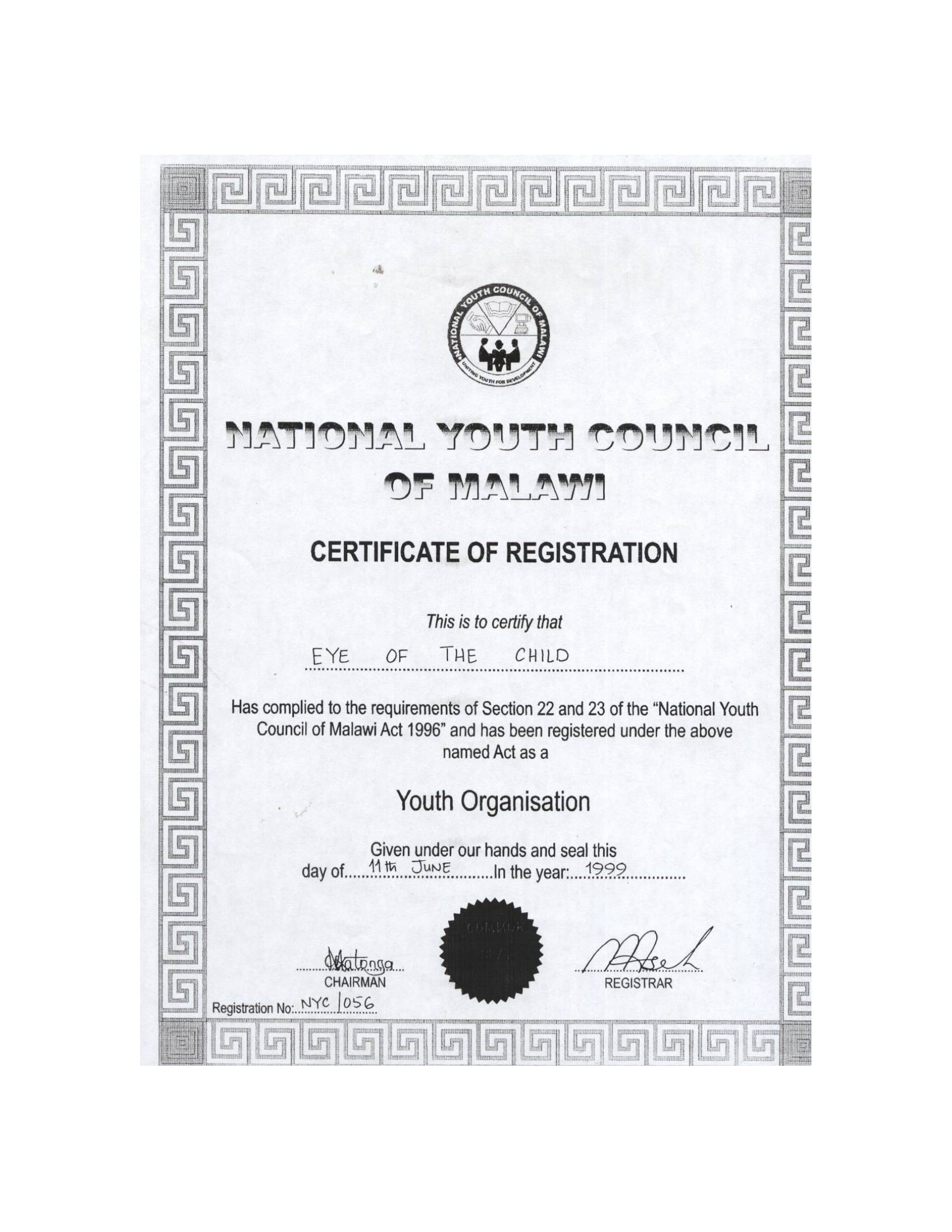
- Registered with National Youth Council of Malawi on 11th June 1999 as a Youth interest Organization certificate number NYC/056
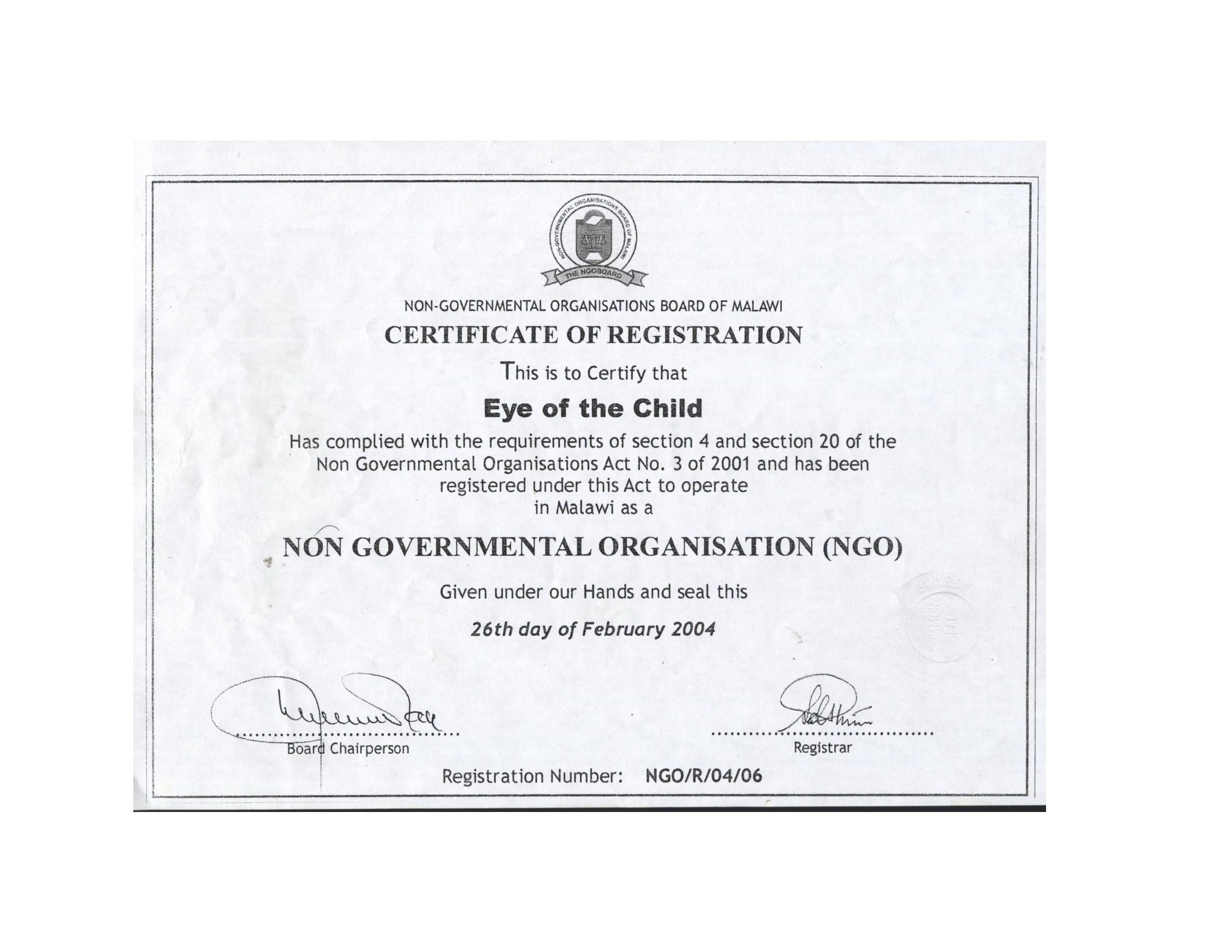
- Registered with Non Governmental Regulatory Authority as Non Profit Making Organization on 26th February 2004. Certificate number NGO/R/04/06
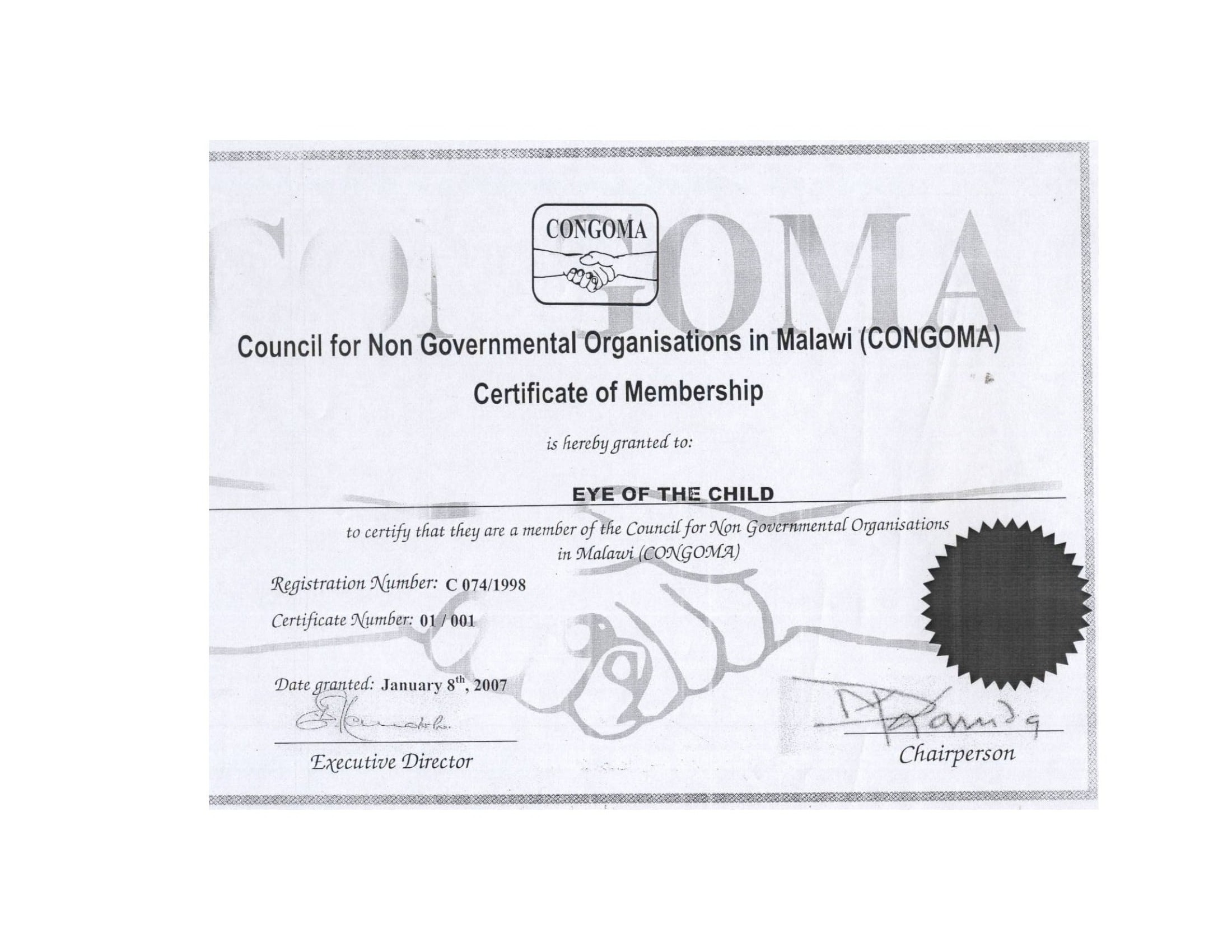
- Registered with Council for Non-Governmental Organization on 8th January 2007, Registration number C 074/1998 and Certificate number 01/001
- Registered with ECPAT International as a member on 22 November 2011
- Registered Gateway of Hope with Ministry of Justice and Constitutional Affairs as a Trustee for the Care and Protection of Trafficking in Persons Victims especially Women and Children on 24th April 2006